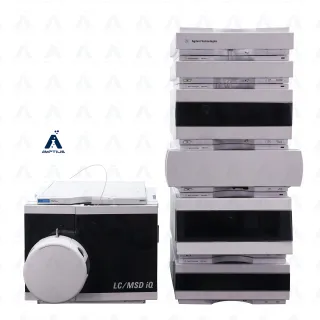
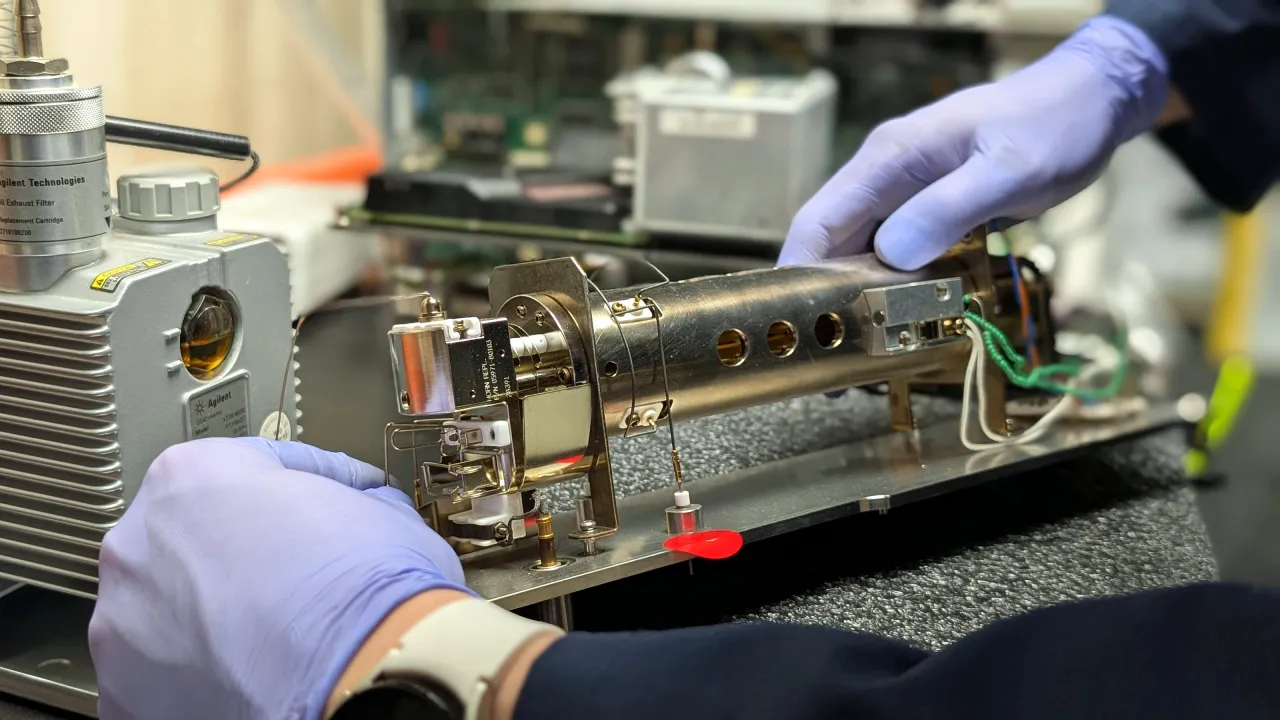
PEPTIDE IDENTITY TESTING
LC-MS for peptide identity: single quad, triple quad or Q-TOF.
An HPLC tells you how pure a sample is. Only a mass spectrometer tells you what it is. Here is how LC-MS confirms a peptide's identity, which type of mass spec fits your lab, and the systems we have in stock.
How it works
How LC-MS confirms a peptide.
The HPLC separates the sample as usual. The column outlet feeds an electrospray ion source, which turns each peptide into ions that carry several charges at once. The mass spectrometer measures their mass-to-charge ratio (m/z), and the software works back to the molecular mass.
Semaglutide, at about 4,114 Da, shows up as 3+ and 4+ ions near m/z 1,372 and 1,029. If those ions are missing, or a different mass sits under the main UV peak, the vial does not hold what the label says, however high its HPLC purity.
That is why the COAs buyers trust pair an HPLC purity number with an LC-MS mass result.
Which mass spec fits your lab.
| Type | Best at | Typical peptide use |
|---|---|---|
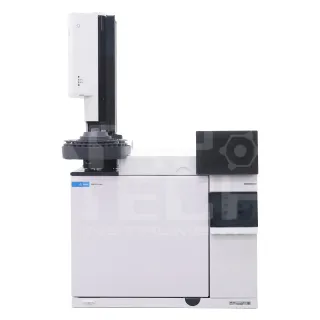
| Single quadrupole (Agilent 6120, 6130, 6160) | Confirming the intact mass, fast and simple | Routine identity on every lot; most COA labs start here |
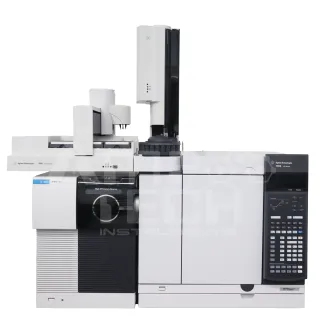
| Triple quadrupole (Agilent 6410, 6460, 6490, Ultivo) | Measuring known compounds at very low levels | Quantifying specific impurities and residues |
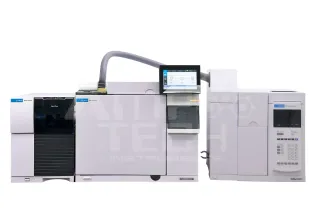
| Q-TOF (Agilent 6530, on request) | Accurate mass to a few ppm, plus MS/MS fragments | Unknown impurities, sequence confirmation, peptide mapping |
In stock
LC-MS systems in stock.
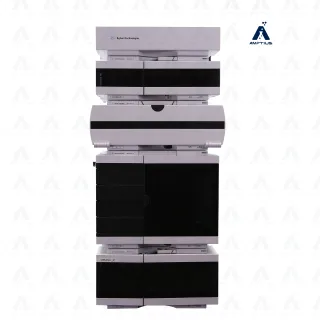
Most come with their HPLC front end, tested together in our in-house lab, with a 6-month warranty on parts and labor.
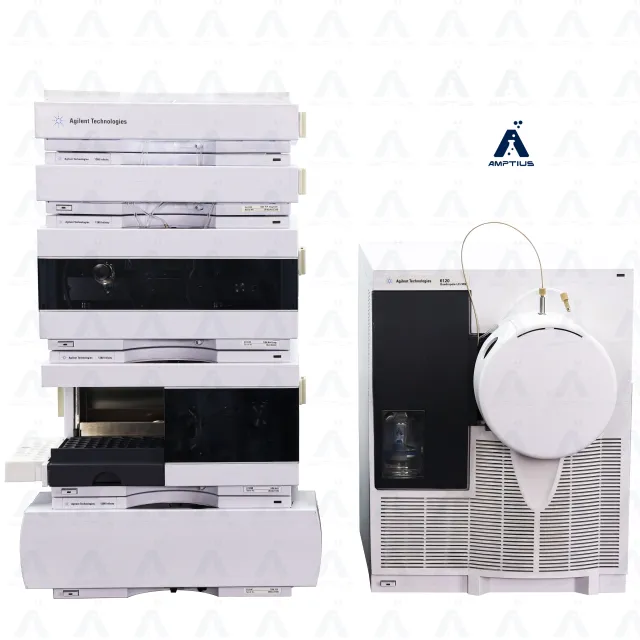 Agilent 6120B Single Quadrupole LC-MS with 1260 Infinity HPLC and Binary Pump
Agilent
Available
Fully Tested and Refurbished
Available
$39,995.00
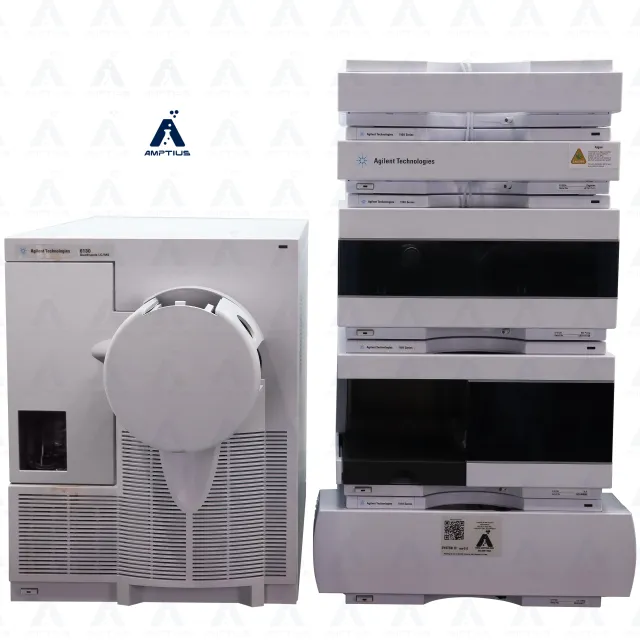 Agilent 6130 Quadrupole LC MS with Agilent 1200 HPLC
Agilent
Available
Fully Tested and Refurbished
Available
$48,995.00
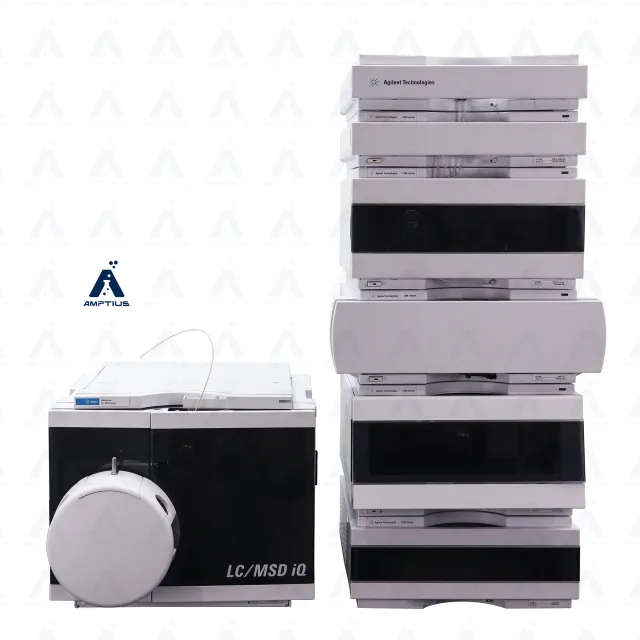 Agilent 6160 InfinityLab LC MSD iQ Single Quad MS with 1260 HPLC
Agilent
Available
Fully Tested and Refurbished
Available
$55,000.00
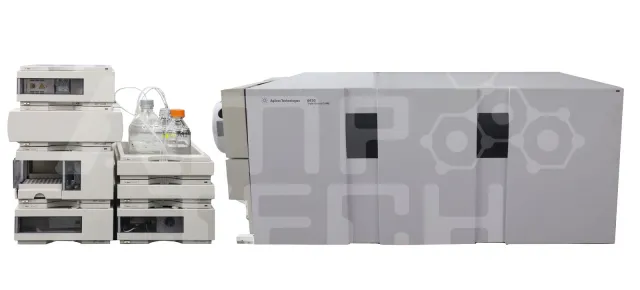 Agilent 6410A Triple Quad LC/MS System with 1100 HPLC Front End
Agilent
Available
Fully Tested and Refurbished
Available
$41,500.00
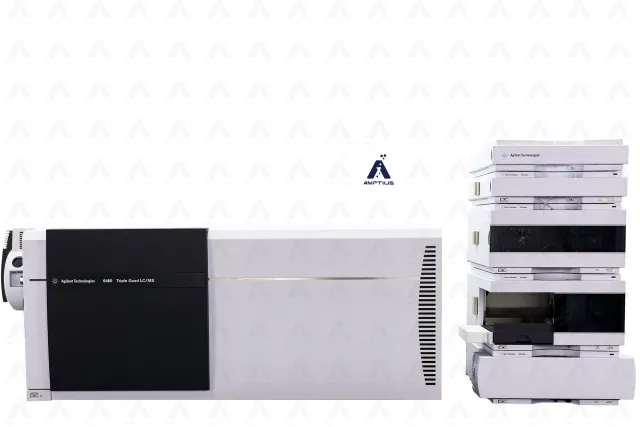 Agilent 6460 Triple Quadrupole LC MS System with 1260 HPLC Front End
Agilent
Available
Fully Tested and Refurbished
Available
$75,000.00
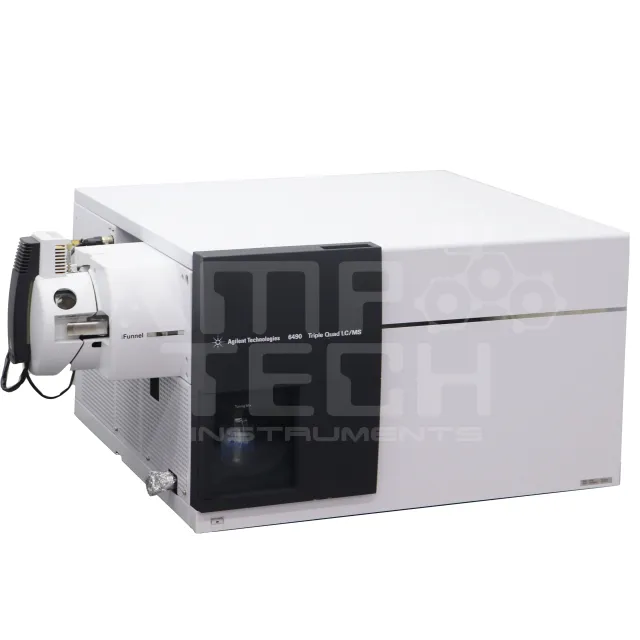 Agilent 6490 Triple Quadrupole LC-MS/MS Mass Spectrometer System
Agilent
Available
Fully Tested and Refurbished
Available
$83,700.00
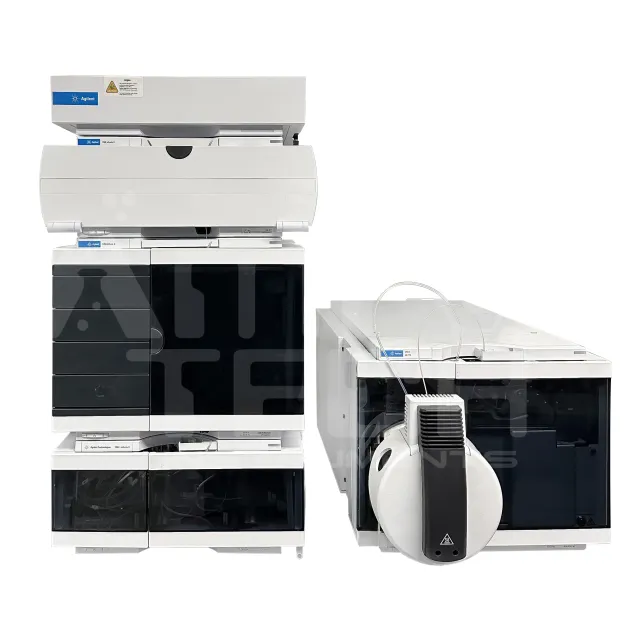 Agilent Ultivo Triple Quadrupole LC MS with 1260 Infinity II LC System
Agilent
Available
Fully Tested and Refurbished
Available
$140,000.00
Q-TOF on request. We have Agilent 6530 Q-TOF LC/MS systems, plus Waters ACQUITY QDa and SQ mass detectors that add mass confirmation to an ACQUITY UPLC. They are not listed yet; ask for a quote.
Setup
Setting up LC-MS for peptides.
- Use formic acid. 0.1% formic acid in place of TFA, or keep TFA very low: TFA suppresses the electrospray signal.
- Keep a UV detector in line. A UV or DAD detector before the mass spec gives purity by UV and identity by mass from one injection.
- Charge states do the work. Because peptides carry several charges, even a 4,000 to 5,000 Da GLP-1 analogue lands at m/z values a single quad reads with ease.
- Plan for nitrogen. An LC-MS needs a steady nitrogen supply, from a generator or a dewar.
Starting with purity? See HPLC for peptide purity testing, everything a peptide testing lab needs, or our LC-MS price guide.
Peptide LC-MS questions.
For purity alone, no: an HPLC does that. To prove identity, yes. Only a mass result shows that the main peak is the peptide on the label and not a look-alike with similar purity.
A single quad confirms intact mass and is all most COA labs need. A triple quad measures known compounds at very low levels. A Q-TOF gives accurate mass and fragment spectra for unknown impurities and sequence work.
Yes, when its HPLC front end has a UV or DAD detector before the mass spec. One injection then gives the UV purity and the mass of each peak.
TFA gives sharp HPLC peaks but suppresses the electrospray signal. LC-MS methods usually use 0.1% formic acid, or a very low TFA level when peak shape matters.
MALDI-TOF also gives a quick intact mass and some labs use it. LC-MS adds the separation, so you see the mass of each peak and not only the whole sample.
Get an LC-MS matched to your peptides.
Tell us the peptides, the tests you run and your sample count. We will suggest a single quad, triple quad or Q-TOF and send prices within 48 hours.