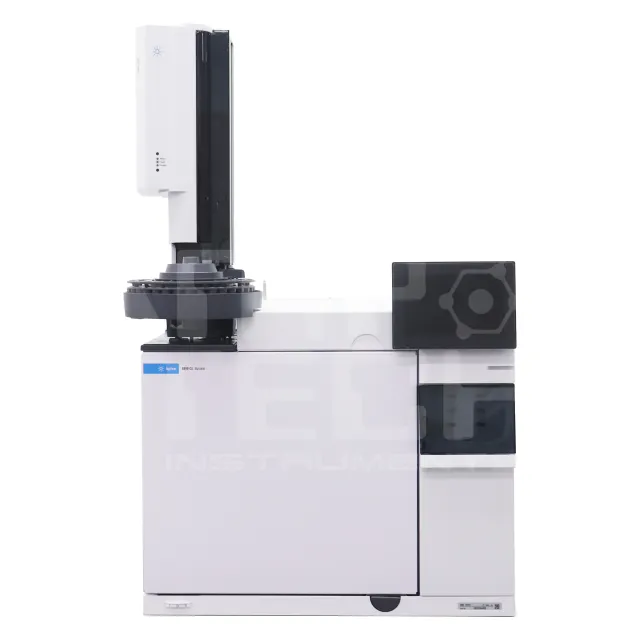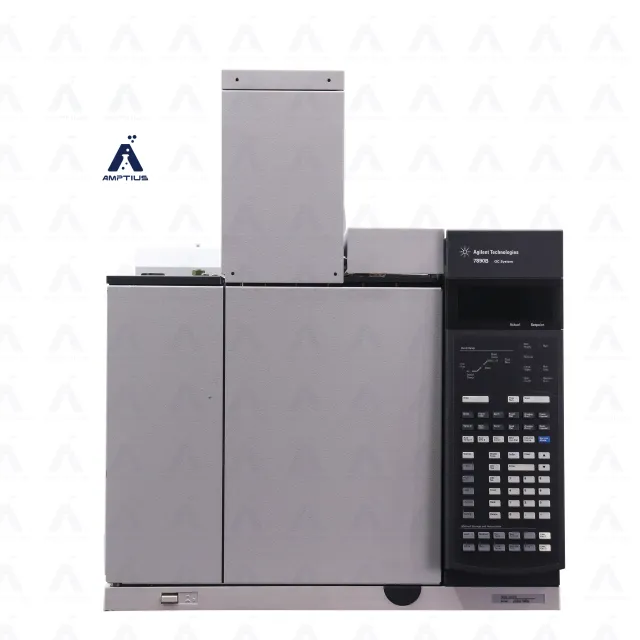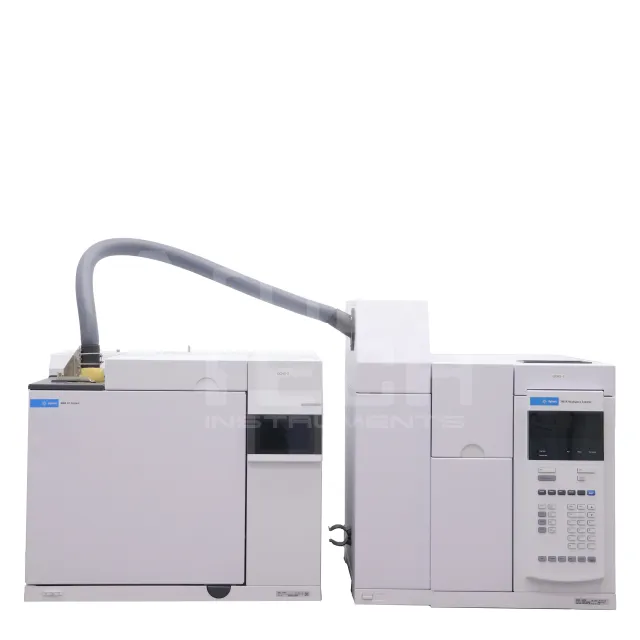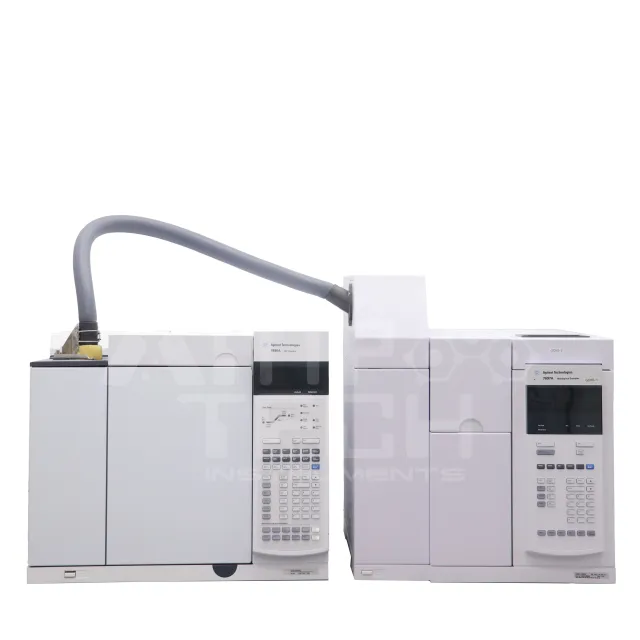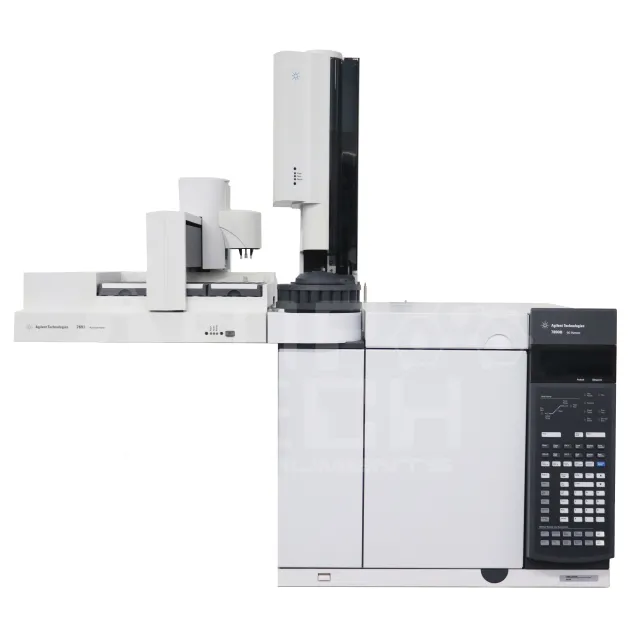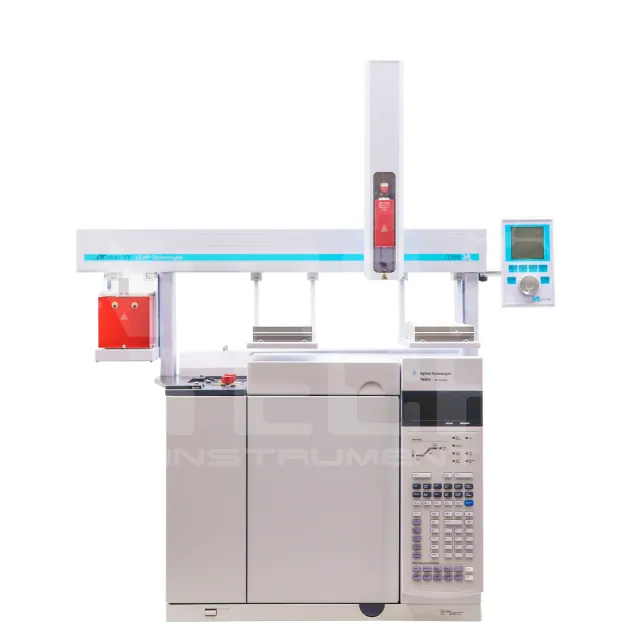
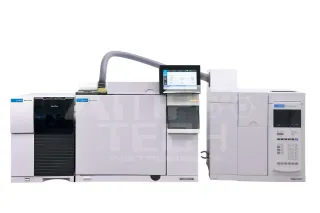
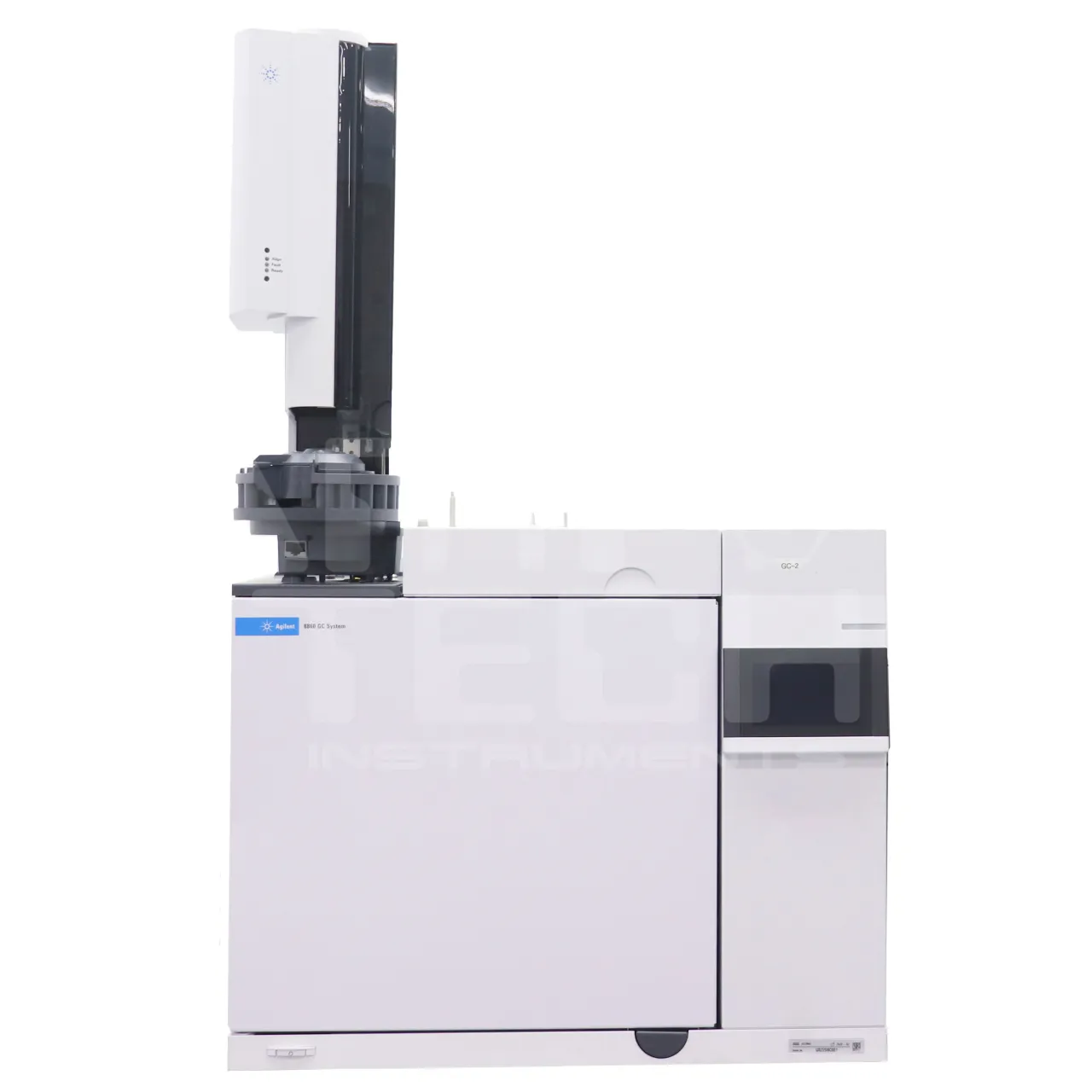
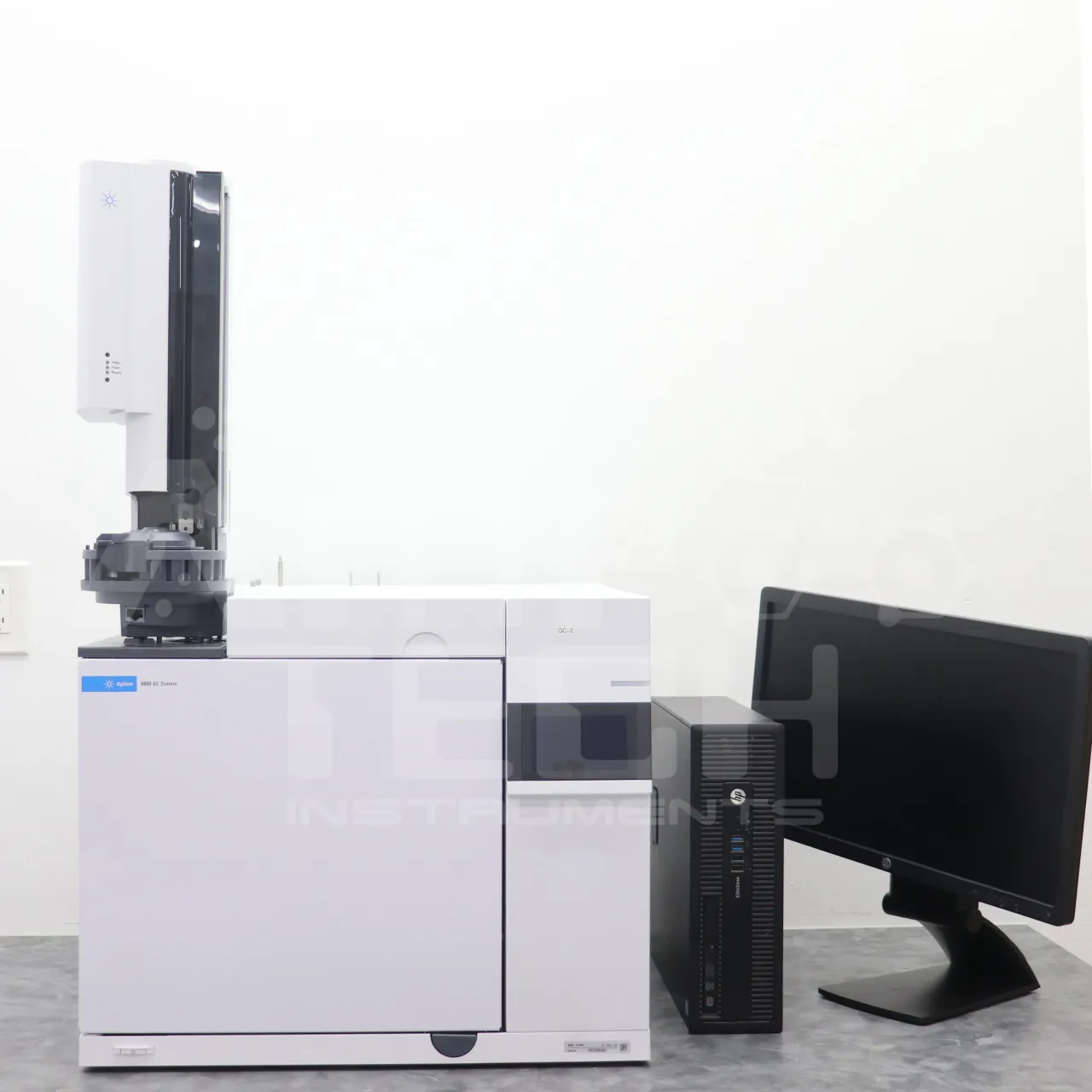
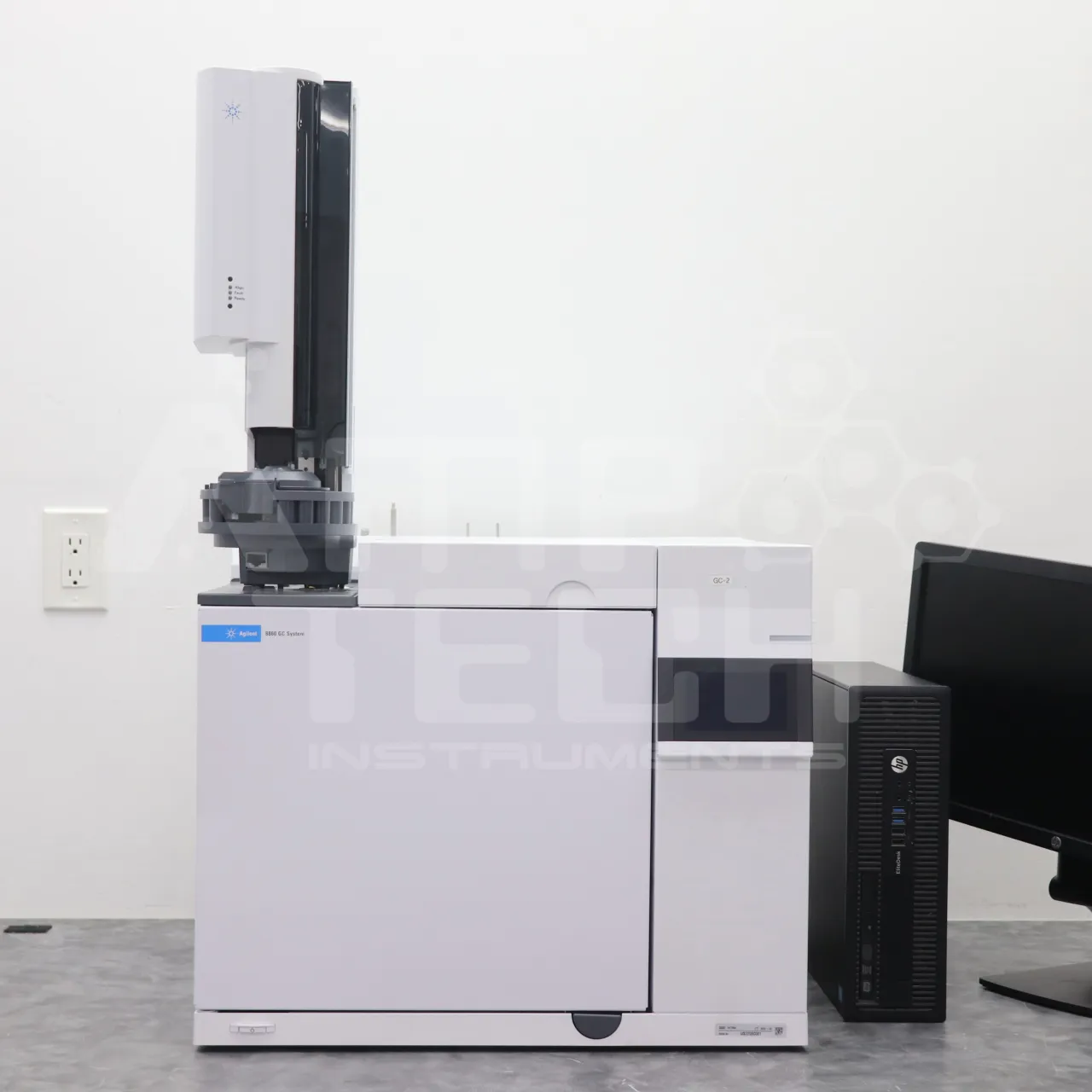
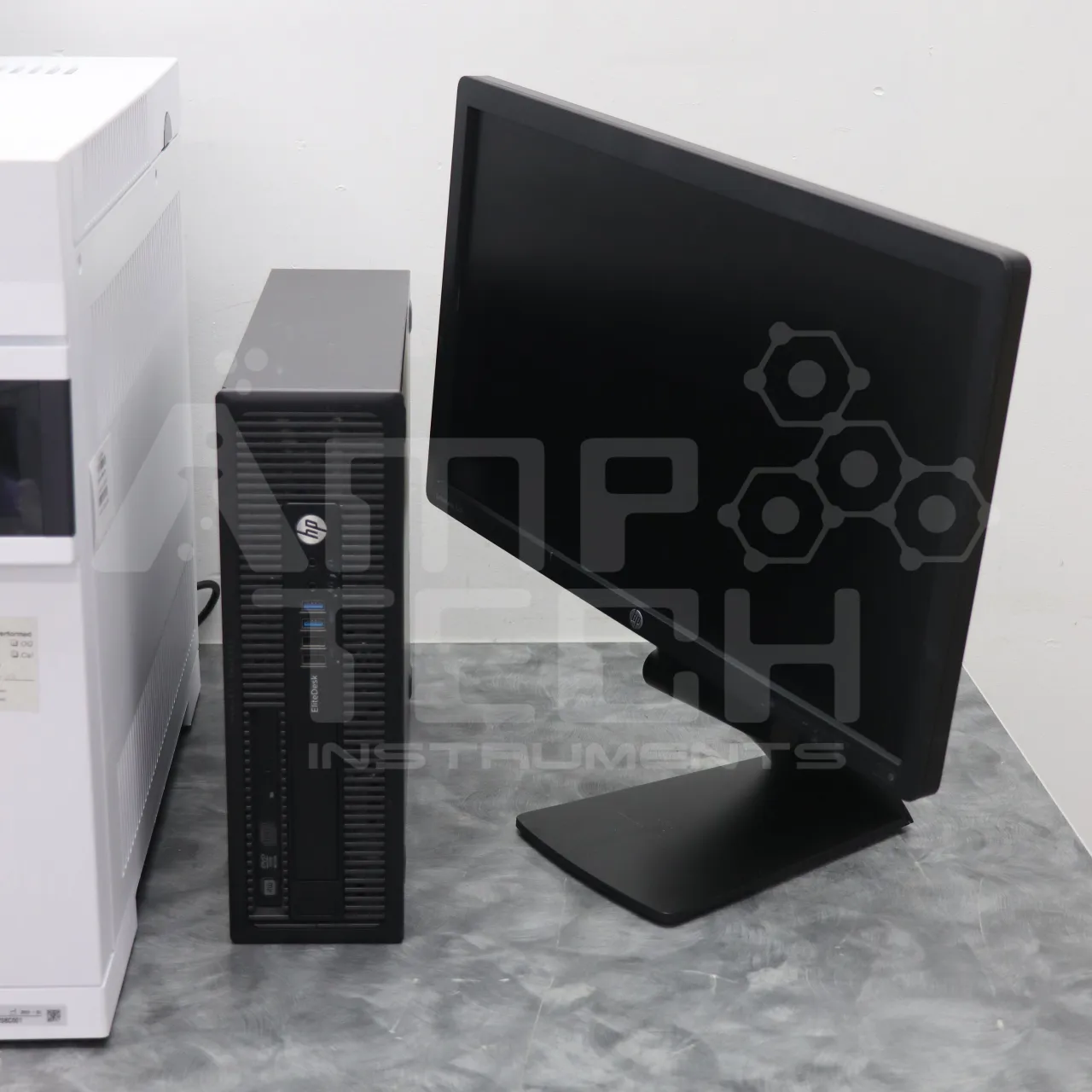
Agilent 8860 GC System with 7693 Autosampler, Dual FID, and Dual S/SL
SAVE $5,700.00

Overview
✅ This Agilent 8860 GC with 7693 Autosampler, Dual FID, and Dual S/SL has been fully tested and refurbished at our in-house testing laboratory.
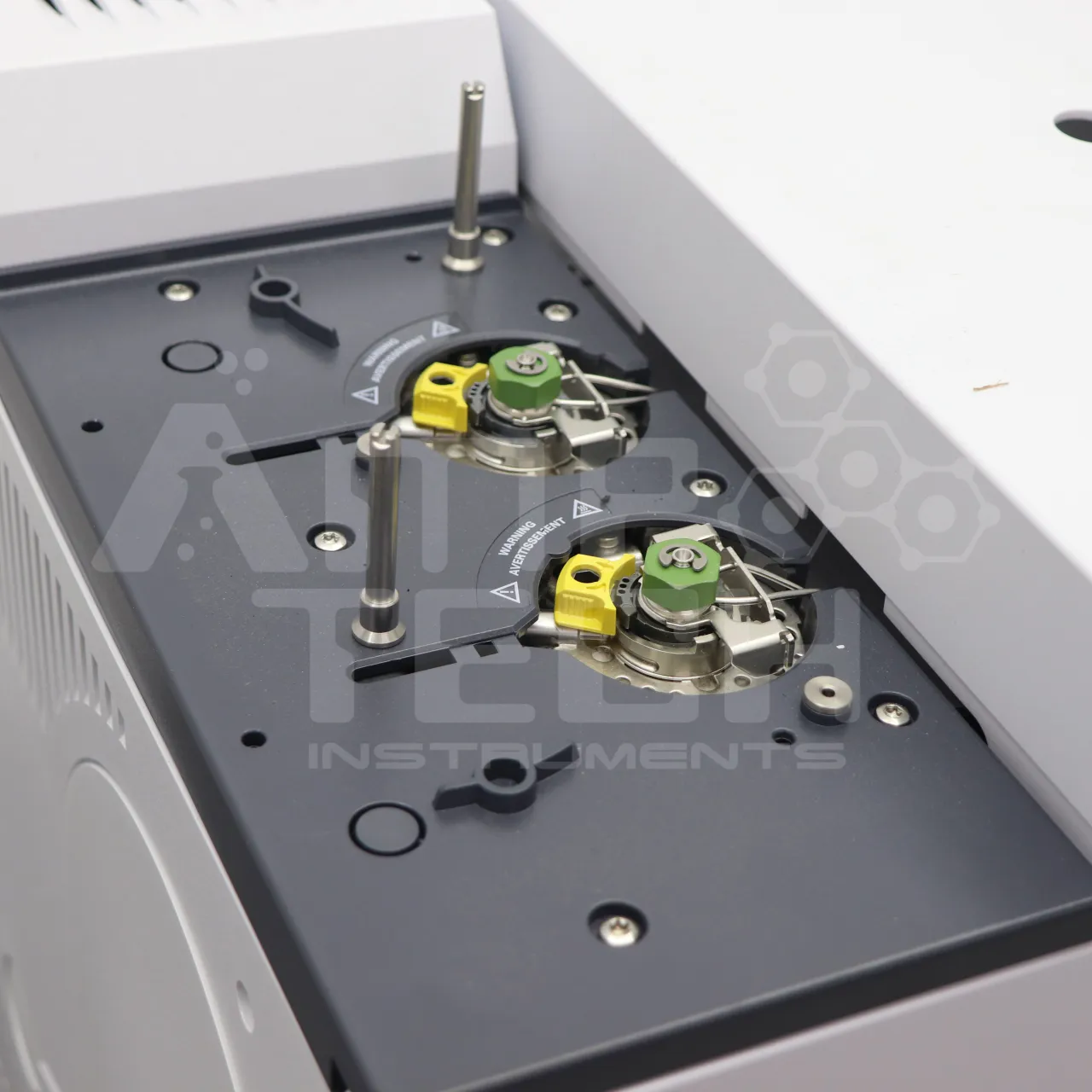
The Agilent 8860 GC System with 7693 Autosampler, Dual FID, and Dual Split/Splitless (S/SL) Inlets is a modern, high-performance gas chromatography platform designed for routine and high-throughput analysis of volatile and semi-volatile compounds. The dual S/SL inlets allow simultaneous or parallel analysis, increasing sample throughput and enabling flexible method development for different sample types.
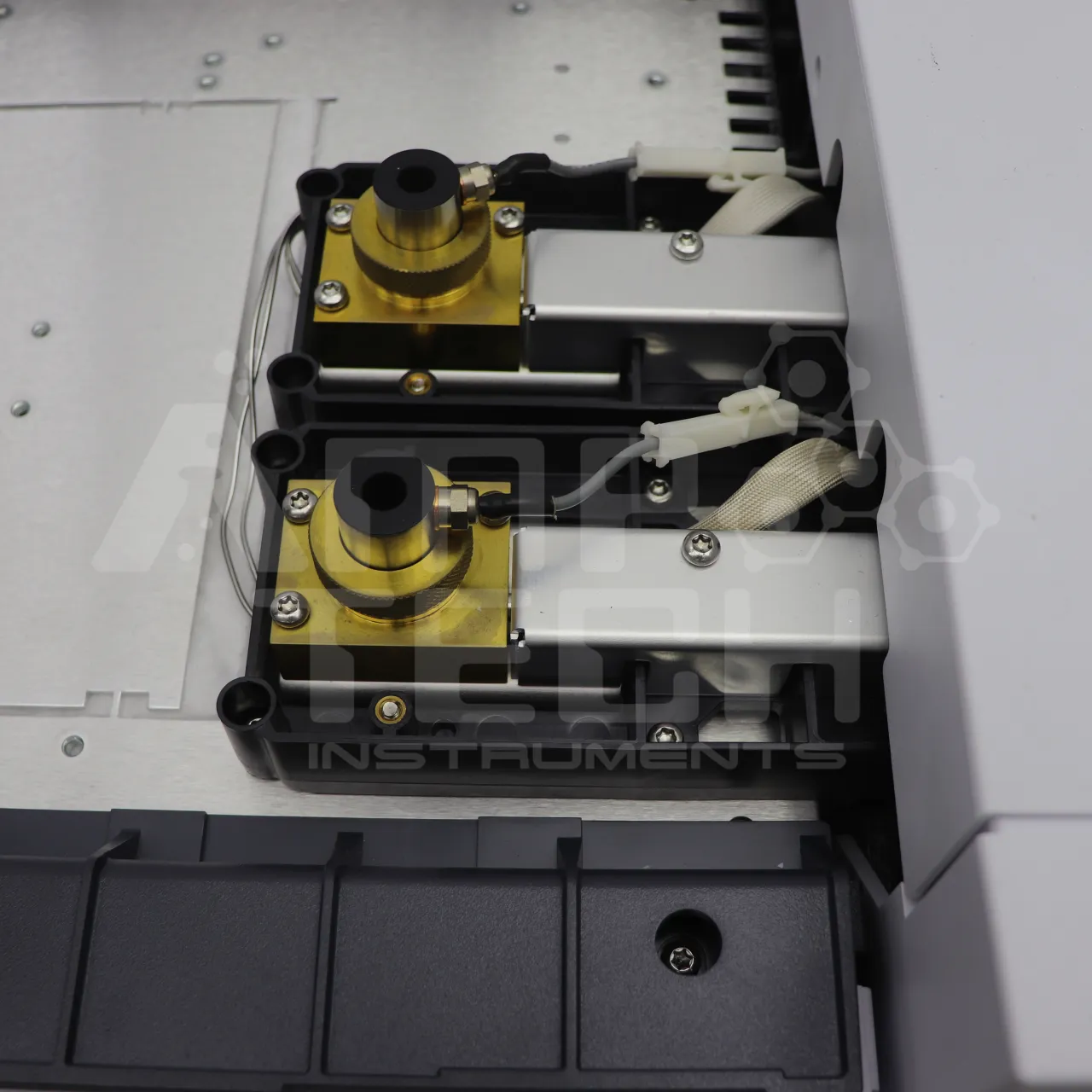
Equipped with dual Flame Ionization Detectors (FID), the system provides highly sensitive, wide linear-range detection for hydrocarbons and organic compounds, making it ideal for applications such as petrochemical analysis, environmental monitoring, food and flavor profiling, and industrial quality control. The integrated Agilent 7693 Autosampler automates liquid injection and tray handling, ensuring precise, repeatable sample introduction while reducing manual error and improving productivity.
This configuration is well-suited for laboratories requiring robust performance, dual-channel analysis, and scalable throughput, and it supports workflows aligned with ASTM, EPA, USP, and AOAC methods where GC-FID analysis is commonly applied.
At AMPTIUS | AMP Tech Instruments, we supply high-quality analytical systems engineered to meet the demands of modern laboratories. This 8860 Agilent with 7693 Autosampler, Dual FID, and Dual S/SL has been expertly refurbished and includes warranty coverage for added peace of mind. Our application scientists are ready to provide professional technical guidance to help you integrate the system efficiently and maintain reliable analytical performance.
What's included
Included with Agilent 8860 GC System with 7693 Autosampler, Dual FID, Dual S/SL
- Agilent 8860 Network GC Gas Chromatograph
- Agilent 7693 Autosampler Injector Tower
- 2x S/SL Inlet
- 2x FID Detector
- Computer Workstation with Software
- All Required Power and Communication Cables
Disclaimer: Unless otherwise stated the seller is not authorized by or associated with the original equipment manufacturer. This product has not been reviewed by the manufacturer to reverify its quality or compatibility with its other products.
✅ This Agilent 8860 GC with 7693 Autosampler, Dual FID, and Dual S/SL has been fully tested and refurbished at our in-house testing laboratory.
The Agilent 8860 GC System with 7693 Autosampler, Dual FID, and Dual Split/Splitless (S/SL) Inlets is a modern, high-performance gas chromatography platform designed for routine and high-throughput analysis of volatile and semi-volatile compounds. The dual S/SL inlets allow simultaneous or parallel analysis, increasing sample throughput and enabling flexible method development for different sample types.
Equipped with dual Flame Ionization Detectors (FID), the system provides highly sensitive, wide linear-range detection for hydrocarbons and organic compounds, making it ideal for applications such as petrochemical analysis, environmental monitoring, food and flavor profiling, and industrial quality control. The integrated Agilent 7693 Autosampler automates liquid injection and tray handling, ensuring precise, repeatable sample introduction while reducing manual error and improving productivity.
This configuration is well-suited for laboratories requiring robust performance, dual-channel analysis, and scalable throughput, and it supports workflows aligned with ASTM, EPA, USP, and AOAC methods where GC-FID analysis is commonly applied.
At AMPTIUS | AMP Tech Instruments, we supply high-quality analytical systems engineered to meet the demands of modern laboratories. This 8860 Agilent with 7693 Autosampler, Dual FID, and Dual S/SL has been expertly refurbished and includes warranty coverage for added peace of mind. Our application scientists are ready to provide professional technical guidance to help you integrate the system efficiently and maintain reliable analytical performance.
Included with Agilent 8860 GC System with 7693 Autosampler, Dual FID, Dual S/SL
- Agilent 8860 Network GC Gas Chromatograph
- Agilent 7693 Autosampler Injector Tower
- 2x S/SL Inlet
- 2x FID Detector
- Computer Workstation with Software
- All Required Power and Communication Cables
Disclaimer: Unless otherwise stated the seller is not authorized by or associated with the original equipment manufacturer. This product has not been reviewed by the manufacturer to reverify its quality or compatibility with its other products.
Insights by AMPTIUS | AMP Tech Instruments
High-Throughput Gas Chromatography for Routine Quality Control and Analytical Testing
If your laboratory is trying to clear a mounting sample backlog with a limited budget, the Agilent 8860 gas chromatograph delivers the smart dual-channel injection capability needed to instantly double your daily throughput.
Featuring dual split/splitless (S/SL) inlets and dual high-sensitivity Flame Ionization Detectors (FIDs) with a wide 10⁷ linear dynamic range, this high-performance GC allows you to run independent columns simultaneously for parallel sample screening. The system utilizes advanced Electronic Pneumatic Control (EPC) and built-in smart diagnostics to guarantee razor-sharp peak separation and exceptional retention time reproducibility.
Paired with the rugged Agilent 7693 automatic liquid sampler to eliminate operator injection variance, this modern workhorse provides a robust, cost-effective setup for environmental labs monitoring volatile organic compounds (VOCs), petrochemical processing facilities, and pharmaceutical operations running high-throughput residual solvent assays.
Agilent 8860 GC FID System Price and Cost of Ownership: Reliable Performance at Lower Cost
The Agilent 8860 GC System with a 7693 Autosampler, dual Flame Ionization Detectors (FID), and dual Split/Splitless (S/SL) inlets provides a cost-effective, high-performance solution for laboratories performing routine gas chromatography in environmental, petrochemical, food and beverage, pharmaceutical, and industrial quality control applications.
Certified refurbished systems are available for approximately $23,000, offering significant savings compared to new systems, which typically range from $45,000 to $62,000 depending on configuration and accessory options. In addition to the initial acquisition cost, laboratories should consider long-term operational expenses, including carrier and detector gases, GC columns, inlet liners and septa, autosampler consumables, calibration standards, preventive maintenance, software updates, and compliance-related qualification services.
The dual FID configuration enhances workflow flexibility by allowing either parallel method operation or split injections for simultaneous detection, increasing sample throughput and analytical efficiency. Purchasing a certified refurbished Agilent 8860 GC with 7693 Autosampler, dual FID, and dual S/SL inlets allows laboratories to maximize capital efficiency while benefiting from reliable automated sample handling, robust chromatographic performance, high sensitivity detection, and consistent reproducibility for hydrocarbon profiling, residual solvent analysis, fuel testing, and routine GC quality control workflows.
EPA Method 8041A: Phenols in Aqueous and Non-aqueous Samples Using the 8860 GC Agilent with 7693 Autosampler, Dual FID, and Dual S/SL
The Agilent 8860 GC System with a 7693 Autosampler, dual Flame Ionization Detectors (FID), and dual Split/Splitless (S/SL) inlets provides a highly effective platform for EPA Method 8041A, which is used for the determination of phenols in aqueous and non-aqueous environmental samples with or without derivatization, depending on target analytes and separation requirements.
The 8860 GC delivers excellent chromatographic separation of phenolic compounds commonly encountered in groundwater, wastewater, soil, sediment, and industrial waste matrices, while the FID offers robust quantitative performance, wide linear dynamic range, and reliable detection of phenolic and other organic analytes. The dual inlet and dual FID configuration enhances laboratory flexibility by supporting optimized analytical workflows, method development activities, or increased sample throughput for high-volume environmental testing laboratories.
The 7693 Autosampler provides precise and reproducible automated injections that improve data consistency and reduce operator variability across large sample batches. Environmental laboratories benefit from dependable retention time stability, excellent reproducibility, and efficient processing capabilities that support regulatory compliance, remediation monitoring, and environmental assessment projects.
Combined with advanced gas chromatographic performance, automated sample handling, and proven Agilent reliability, the Agilent 8860 GC with 7693 Autosampler, dual FID, and dual S/SL inlets provides a powerful solution for EPA Method 8041A phenol analysis and routine environmental testing applications.
AMP Tech Analytical Solutions for Academic Research and Grant-Funded Laboratories
At AMPTIUS | AMP Tech Instruments, we support the advancement of scientific education and innovation by providing cost-effective analytical instruments tailored to the unique budget constraints of the academic sector.
Every pre-owned system in our inventory is independently evaluated and fully verified within our in-house testing laboratory, making our AMP Tech Certified equipment an ideal choice for university chemistry departments, core facilities, and researchers optimizing limited grant funding. Because academic applications vary heavily from undergraduate teaching labs to complex graduate research, we precisely document each unique listing to ensure the specific components align with your educational goals or specific institutional SOPs.
To guarantee that your system includes the exact module configuration required for your research methodology and to align with your university’s procurement process or funding timeline, we highly encourage you to connect directly with our active sales management team or request a customized quote before purchase.
Related systems